Escalation, Incidents and Oversight: A Practical Guide for Domiciliary Care
What is escalation in domiciliary care?
Escalation is the route a concern takes from the person who notices it, usually a carer in someone’s home, to the person who can act. A clear route means the right person hears about a problem quickly, whatever the time of day.
Why does escalation matter for carers working alone?
Carers are often out in the community on their own. They need to know that support is always there, and the office needs to know what is happening. Without a clear route, concerns can be delayed.
How should incidents be recorded and reviewed?
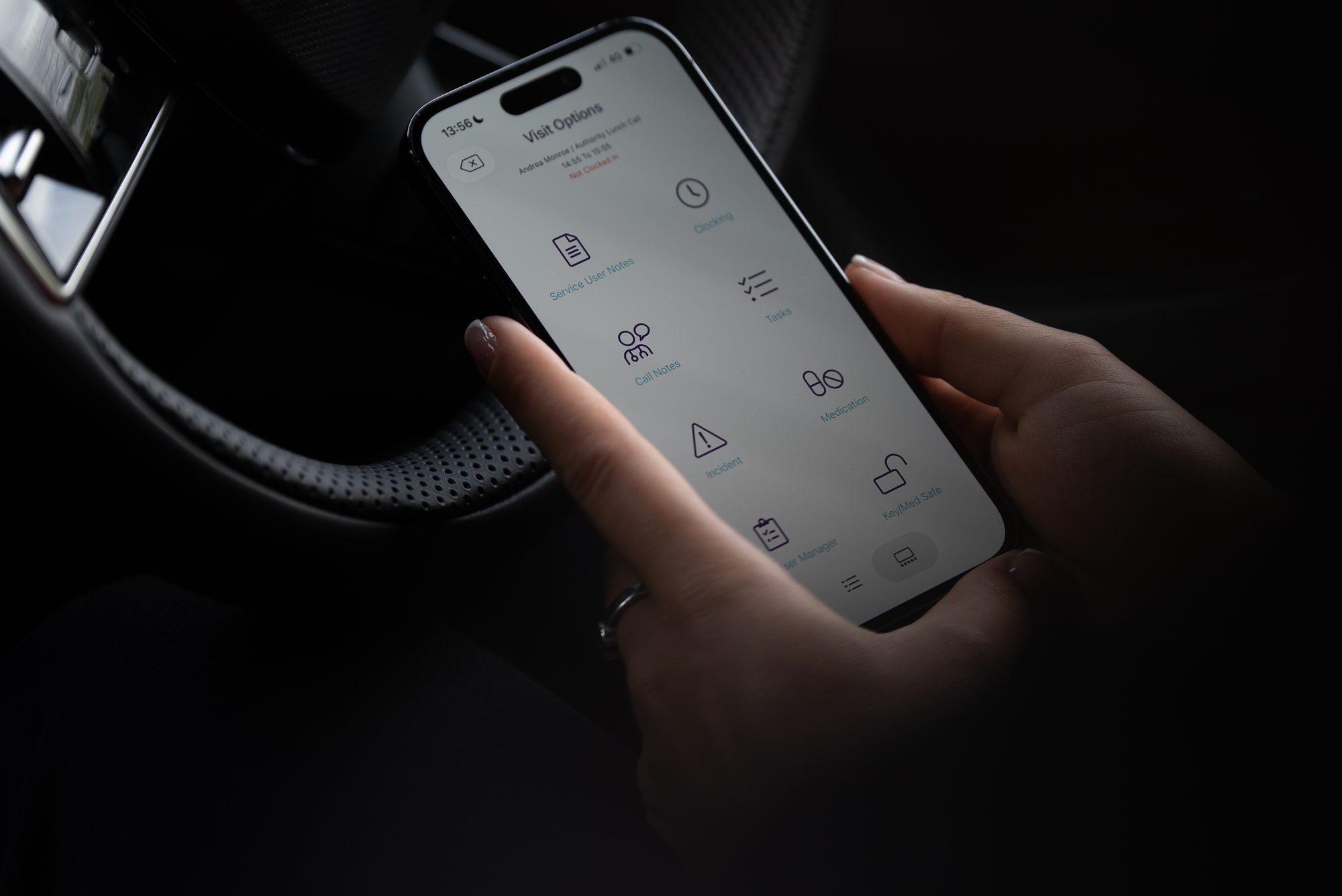
Good practice is to record each incident promptly, review it, and use what is learned to change how the service works. Opieka describes incident reporting as one of the areas it is most proud of in its system.
What does good oversight look like?
A practical checklist for office teams:
- Can you see where each carer is and which visits are complete?
- Do carers have a clear way to raise a concern at any time?
- Is every concern recorded, followed up and reviewed?
- Are patterns across incidents reviewed so the service learns from them?
- Is medication managed and audited, including as-needed (PRN) medication?

How does this connect to CQC’s well-led key question?
Escalation, incident learning and oversight are the core of well-led.
Frequently asked questions
What is the difference between escalation and incident reporting?
Escalation is how a concern reaches someone who can act on it. Incident reporting is how something that has happened is recorded, reviewed and learned from.
Who should carers escalate concerns to?
Each provider sets its own escalation routes in its policies. Carers should know who to contact, and how, at every hour the service runs.
Where can I find official guidance?
CQC publishes guidance on each key question at cqc.org.uk. Check your own policies against it.